
Pump Station Rehabilitation
Understanding the Role of Pump Stations
In wastewater collection systems, gravity is the most efficient method for moving sewage. For most systems, gravity alone cannot complete the journey—flow reaches low points where it must be lifted to higher elevations or moved toward a treatment plant. Pump stations, often called lift stations, can help in that role, using a variety of pumps to convey the flow.
Pump stations become necessary when gravity alone is insufficient to convey flow—whether due to elevation changes, system constraints, or the need to move wastewater efficiently in a controlled direction. Unlike gravity sewers, which rely primarily on hydraulic principles, pump stations introduce a higher level of complexity by integrating mechanical, electrical, and structural systems. This shift requires a broader range of engineering expertise, as performance depends not only on hydraulics, but also on the coordination and reliability of multiple interconnected components.
Almost every system we work with includes pump stations, making them essential to reliable wastewater infrastructure. Unlike traditional gravity systems, pump stations introduce mechanical and electrical components into what might otherwise be a simple hydraulic process. These additional systems create opportunities for efficiency but also increase the potential for wear, deterioration and operational challenges over time.
Why Rehabilitation Matters
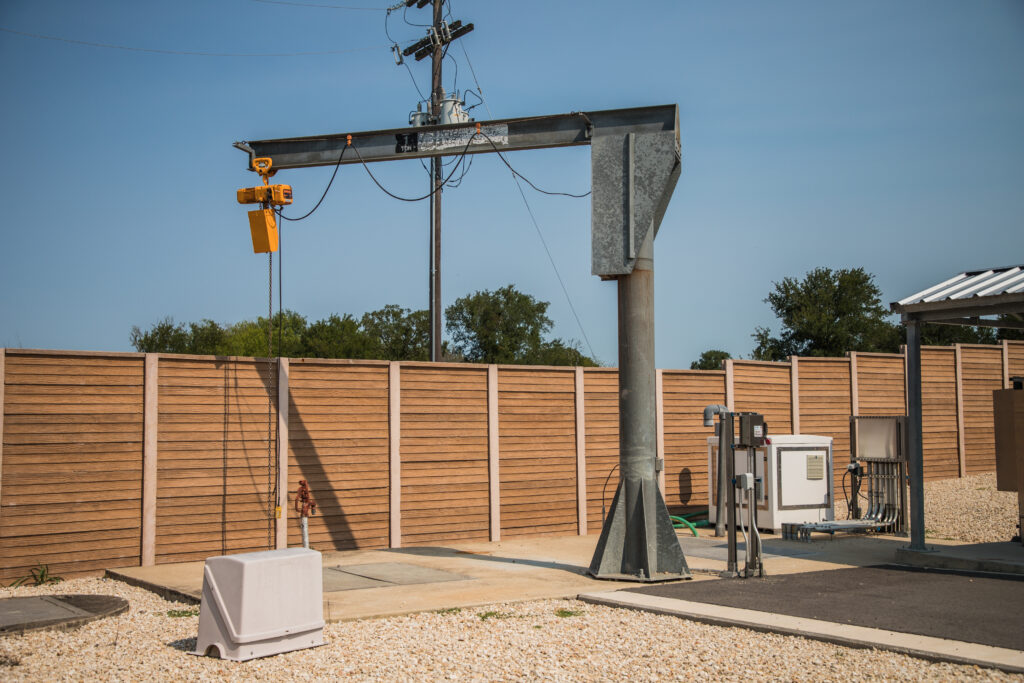
While new pump stations are designed on a blank slate, rehabilitation presents a different set of challenges. Existing infrastructure must be evaluated not only for its current performance but also for how it can be adapted to future needs. Concrete structures, mechanical equipment and electrical systems all factor in whether rehabilitation is feasible or whether replacement is the more cost-effective option.
Concrete, for example, is one of the most expensive elements of a pump station. Whenever possible, reusing existing structures saves significant cost. However, these savings must be balanced against capacity requirements, code compliance and long-term reliability.
Mechanical and electrical systems bring their own considerations. Pumps, valves and piping must be inspected for condition and capacity, while electrical components must meet safety standards, provide adequate power and offer reliable controls for operators. Each of these elements contributes to the larger question: how much of the existing station can be reused, and where must upgrades or replacements occur?
Evaluation and Condition Assessment
Every rehabilitation project begins with a comprehensive assessment of the existing station. At GBA, we start with a structured checklist, which is then customized to the specific site we are working on. This checklist covers more than 100 points, to evaluate hydraulic performance, mechanical systems, electrical systems and structural integrity.
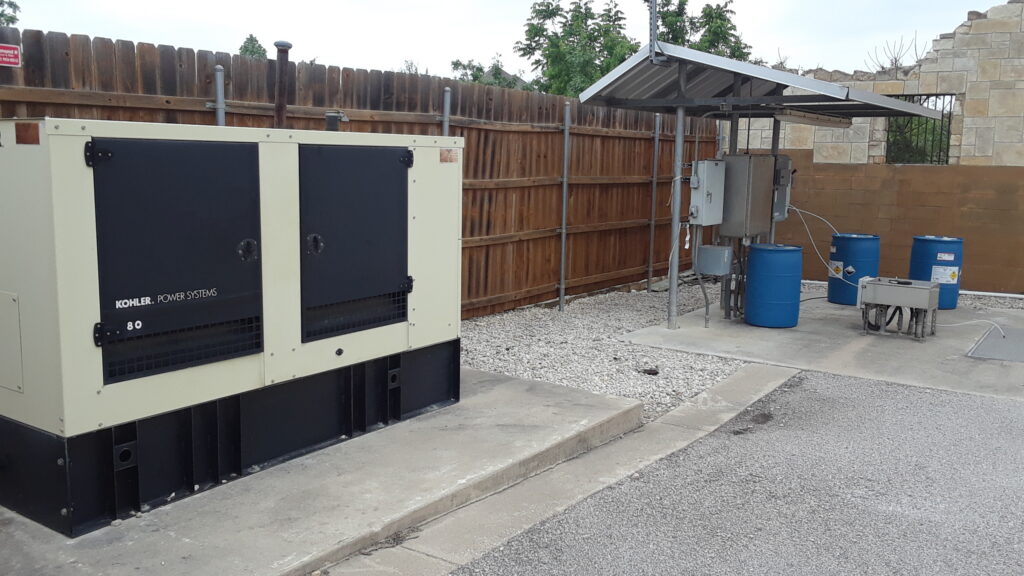 Hydraulic evaluation considers whether the station has the capacity to handle current and future flows. Before building the development, this is checked to address additional capacity needs. This often means analyzing wet well volume, available storage and potential for expansion. For example, a new development tied into an existing system may require additional wet well chambers or underground storage to manage increased demand.
Mechanical evaluation examines pumps, valves and piping for wear, efficiency and operational reliability. Electrical evaluation ensures systems are safe, compliant with code and capable of delivering power and controls that meet operational needs. Structural evaluation focuses on whether existing concrete structures remain sound and whether they can support additional loads if capacity is increased.
In addition to standard inspection efforts, targeted testing and advanced documentation tools can provide a deeper understanding of system performance. One example is a drawdown test, which evaluates the current capacity of the pumps by measuring how effectively the system lowers water levels under operation. Because pump components naturally deteriorate over time, this type of testing can reveal performance gaps that may not be immediately visible. While more time-consuming, it provides valuable data to support informed decision-making. GBA also utilizes tools such as 360-degree cameras and 3D scanning to document conditions within confined spaces, offering owners a perspective they would not typically see. With trained confined space personnel, our team is able to access and assess the interior structures in detail, capturing the full picture of existing conditions and supporting more accurate rehabilitation planning.
Design Considerations in Rehabilitation
Rehabilitation is not simply about replacing worn-out components. It requires a holistic approach that balances technical feasibility, operator needs and cost-effectiveness. Key considerations include:
- Capacity Expansion: Designing with future growth in mind, such as leaving space for additional wet wells or reserving room for larger equipment.
- Mechanical Reliability: Ensuring pumps and valves are usable and that they are sized appropriately and configured correctly so they operate with ease and efficiency under varying flow conditions.
- Electrical Safety and Control: Updating outdated or improvised systems to meet current codes and provide operators with reliable control and monitoring.
- Hydrogen Sulfide Mitigation: Addressing corrosion and safety concerns by evaluating H₂S levels and applying remediation strategies such as air injection or chemical treatment.
- Force Main Impacts: Considering how larger pumps or higher pressures affect downstream force mains to avoid creating new issues elsewhere in the system.
By coordinating with local and federal regulatory agencies and incorporating updated flood mapping requirements into design, GBA helps clients maintain compliance, minimize service interruption risks, and extend the lifespan of critical pump station assets amid changing environmental conditions. As part of this approach, GBA also performs flow monitoring at pump stations prior to rehabilitation to identify issues related to inflow and infiltration (I/I), allowing deficiencies within the system to be addressed before rehab work begins.
The Value of Collaboration
Pump station rehabilitation benefits from diverse expertise. Our team brings together environmental, civil, structural, mechanical and electrical engineers, supported by long-standing relationships with equipment vendors and specialized subconsultants. This multidisciplinary approach ensures that every aspect of a rehabilitation project is considered.
Operators are a particularly valuable part of this process. As the people who work with these systems daily, they provide insight into how the station performs in real conditions. Incorporating their feedback into design ensures the final solution is not only technically sound but also practical for long-term operation.
Pump station rehabilitation benefits from diverse expertise and a hands-on approach to evaluation. At GBA, this process goes beyond visual inspection. Our team works directly with operators to understand how the station performs in real conditions, exercising valves, running equipment on and off, and observing how systems respond. These field efforts are paired with conversations with staff to identify recurring issues, operational challenges, and components that may not be performing as intended.
Operational data also plays a key role in this evaluation. Discussions with staff often include how frequently alarms are triggered, pump run times, and insights from SCADA (Supervisory Control and Data Acquisition) systems. This information helps build a clearer picture of system performance over time and informs more targeted rehabilitation strategies.
GBA’s in-house team work together to evaluate and design solutions for pump station rehabilitation. When appropriate, we also coordinate with owner-preferred providers or bring in trusted subconsultants to address specialized needs or supplement capacity. This approach ensures that each project is supported by the right expertise while maintaining a consistent and informed evaluation process.
When Rehabilitation Isn’t the Answer
Although rehabilitation is often pursued as a cost-saving measure, it is not always the most economical choice. In some cases, the effort required to retrofit existing structures and systems outweighs the benefits, making new construction a better long-term investment. A thorough evaluation at the beginning of the process helps determine when a new pump station is the right path forward.
Case Example: Building with the Future in Mind
On a recent project, GBA was tasked with rehabilitating a pump station originally designed with expansion in mind. By anticipating future capacity needs during the initial design, space had been reserved for additional equipment. This anticipation simplified the rehabilitation process and reduced overall cost, highlighting the value of planning for adaptability from the start.
In other projects, such as ongoing work in St. Louis and smaller station rehabilitations in rural communities, GBA has applied the same principles, balancing reuse with necessary upgrades, collaborating with operators and delivering solutions that support reliable service well into the future.
Pump station rehabilitation is a complex but essential part of maintaining resilient wastewater infrastructure. GBA’s Water Environment Group combines in-house expertise, industry partnerships and decades of experience to deliver rehabilitation solutions that are practical, reliable and cost-effective.
For more about our work in pump station rehabilitation and other water environment solutions