

K-68 Access Management Study
Kansas Highway 68 (K-68) plays an important role as both a local urban street and a regional connector for Ottawa and Franklin County. With potential commercial and residential growth, the City of Ottawa and KDOT sought a strategic framework to guide future access, safety and multimodal mobility along this corridor. GBA partnered with KDOT to develop the K-68 Access Management Study, a data-driven plan designed to support orderly development, improve safety and maintain efficient travel for all users.
Project Overview
GBA led the development of a comprehensive access management plan for K-68 between Spruce Street and the I-35 South ramps. The corridor is largely undeveloped today but holds significant potential for future commercial and residential expansion. To proactively prepare for this growth, the project established access policies aligned with the City’s comprehensive plan and long-term development priorities.
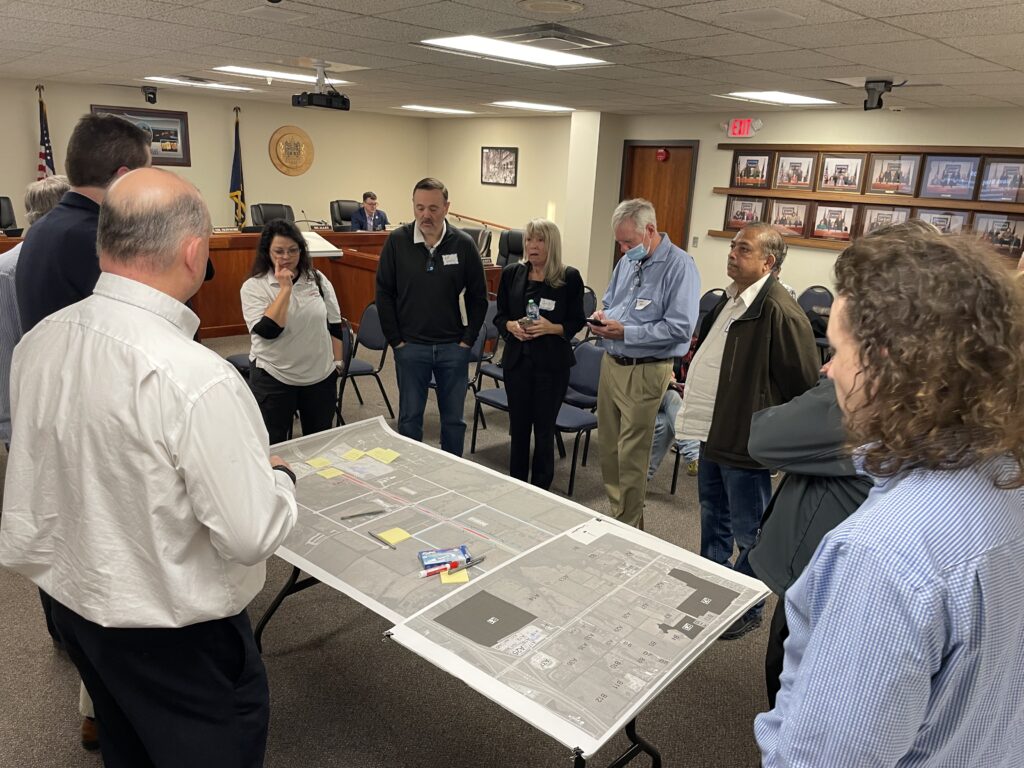
Shockey Consulting supported the project’s public involvement efforts, facilitating stakeholder meetings and one-on-one conversations with local property owners. Community input was a key factor in shaping the study’s final recommendations.
Innovative Approach to Access Management
While access management is a well-established practice, applying it effectively along K-68 required balancing competing needs including preserving traffic flow, supporting future development, and ensuring multimodal safety.
GBA developed an approach that integrated engineering analysis with planning considerations, producing a corridor framework that enhances safety, mobility, and economic opportunity. These recommendations demonstrate how evidence-based transportation planning can anticipate growth and guide infrastructure investment.
Future Value to the Engineering Profession
The K-68 corridor serves as a gateway into Ottawa, making any improvements highly visible and impactful. The study provides an example of how access management can shape community identity and improve day-to-day mobility for residents, visitors, and businesses.
By documenting a methodical, data-driven approach to planning, the project contributes to the engineering profession’s efforts to integrate land use, transportation operations, and multimodal travel needs in fast-growing areas.
Social, Economic and Sustainable Development Considerations
The study provides both short-term and long-term strategies that allow the City to implement improvements as development occurs. This phased approach supports responsible growth while minimizing unnecessary disruption or overbuilt infrastructure.
Key considerations included:
- Supporting economic development through improved corridor operations
- Enhancing pedestrian and bicycle connectivity to Downtown Ottawa and future growth areas
- Building community character at a key gateway to the city
- Improving safety by reducing conflict points and clarifying access patterns
Technical Complexity
The study area encompasses a mix of existing businesses, residential development, and large undeveloped tracts, each with varying access needs. GBA evaluated these land-use elements alongside traffic patterns, crash history, anticipated development and multimodal circulation.
The corridor must support both local access and regional travel between I-35 and Downtown Ottawa, making operational efficiency a central concern. The plan also incorporates recommendations for pedestrian and bicycle facilities, further increasing the project’s technical complexity and value to the community.
Meeting Client and Community Needs
GBA delivered a complete, data-supported report outlining practical access improvements that meet the goals of KDOT, the City of Ottawa and corridor stakeholders. The plan balances the needs of pedestrians, bicyclists, freight and passenger vehicles while providing guidance for future development.
The resulting recommendations position the City and KDOT to make informed, phased investments as development occurs.
The K-68 Access Management Study provides a clear, actionable roadmap for the future of one of Ottawa’s most important corridors. Through detailed analysis, strong stakeholder collaboration and a forward-looking planning approach, the study enhances safety, improves traffic operations and supports sustainable community growth. GBA’s work equips Ottawa and KDOT with a long-term framework that will guide infrastructure decisions as development progresses—ensuring K-68 remains a safe, functional and connected corridor for years to come.